Extended excerpt from the NBC News article ‘What makes the AR-15 so beloved and so reviled’
This page presents an extended excerpt from a NBC News article, used in a research study on how people reason about scientific information in polarized topics.
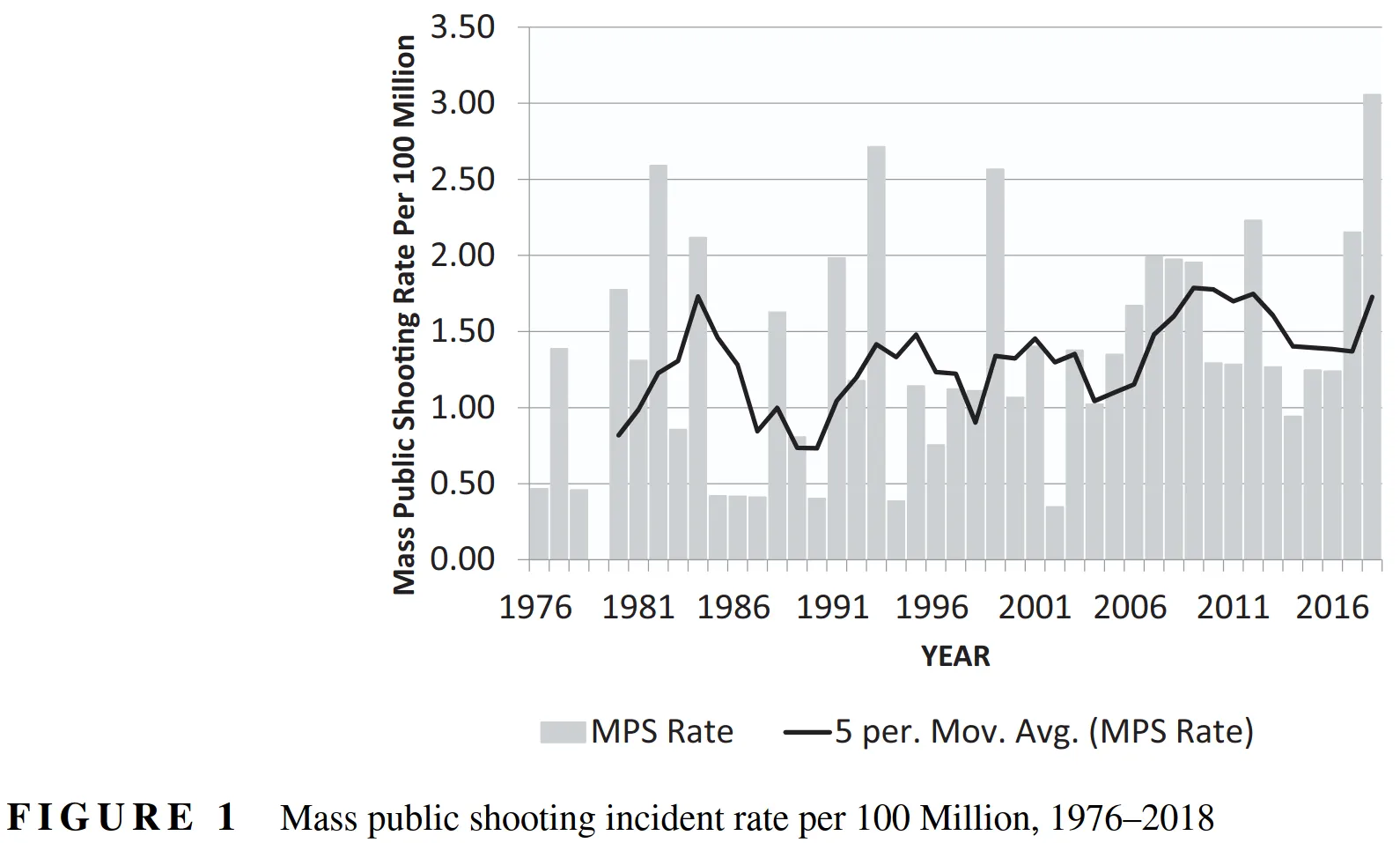
To clarify the evidence referenced in general terms in the original article, I have attached relevant research from Duwe (2019) which looks at effects of the federal ‘assault’ weapon ban from 1994 to 2004.
Hosting these pages serves a study task in which participants selected one of eight excerpts and drafted a social-media post (Bluesky). Hosting does not imply endorsement by the original authors or outlets.
All rights remain with the original authors and publishers. This page is provided for research and educational purposes.
Sources
Every time there is a massacre involving an AR-15-style weapon — such as the May 6 shopping mall shooting in Allen, Texas, that killed eight people — the gun draws a new flood of media coverage and public discussion. The stakes, and rhetoric, escalate — and sales, according to the gun industry, remain brisk.
Gun-rights advocates say bans are an infringement on their constitutional right, upheld repeatedly by the Supreme Court, to keep and bear arms and won’t do much to curb gun violence. They point out that data shows semi-automatic rifles like the AR-15 represent a minority of the weapons used in murders, including mass shootings, with handguns used more often.
The effects of bans on mass shootings are difficult to determine.
A figure from a 2019 study shows that the rate of mass public shootings did not substantially decrease during the nationwide assault rifle ban from 1994 to 2004.